The target was written plainly from the start: double sales, hold AOV steady, keep ROAS between 20 and 25, and don't burn the brand or break the structure.
The first obstacle wasn't advertising. Large numbers of people were reaching the final checkout step and leaving, and for a while we couldn't explain it.
The cause was the flat shipping fee. A customer with a small order feels shipping is expensive, not in absolute terms but relative to their basket. The fix wasn't free shipping; it was AOV tiers, with shipping priced in bands according to order value. Abandoned checkouts dropped sharply and AOV didn't fall.
Then the real challenge arrived. We were heading into months that needed double the best previous month's revenue. Heavy pressure on budget and team.
What changed the equation was leaving the comfort zone: a completely different segment from the usual audience, plus influencers with genuine weight in those specific regions. That widened the market and moved us away from the price war most of the sector is trapped in. Everything ran omnichannel rather than through a single channel, which made the picture clearer in every decision from marketing to operations.
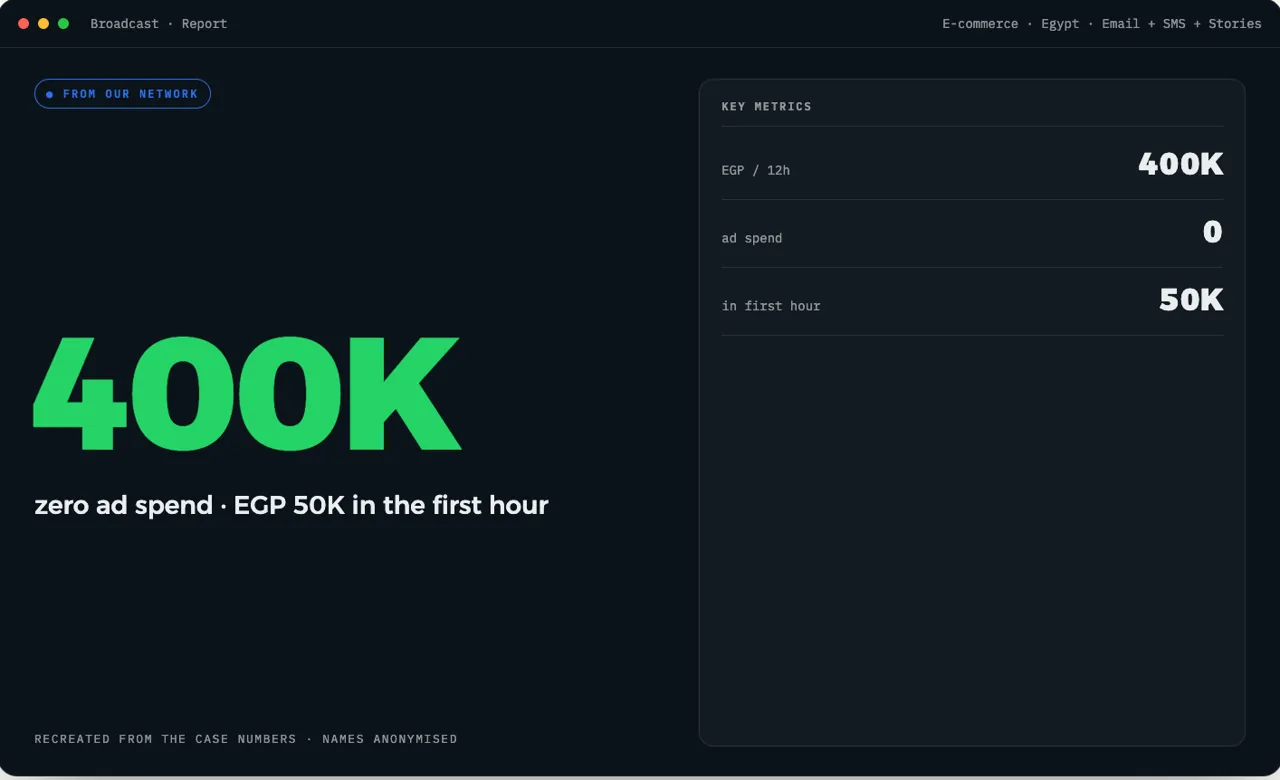
Here's the part nobody mentions. When we tested different shipping prices and free shipping, we hit absurd numbers within twelve hours, and operations collapsed completely. The number everyone dreams of was breaking the business. The real challenge became walking a thin line between fast growth and operational balance.
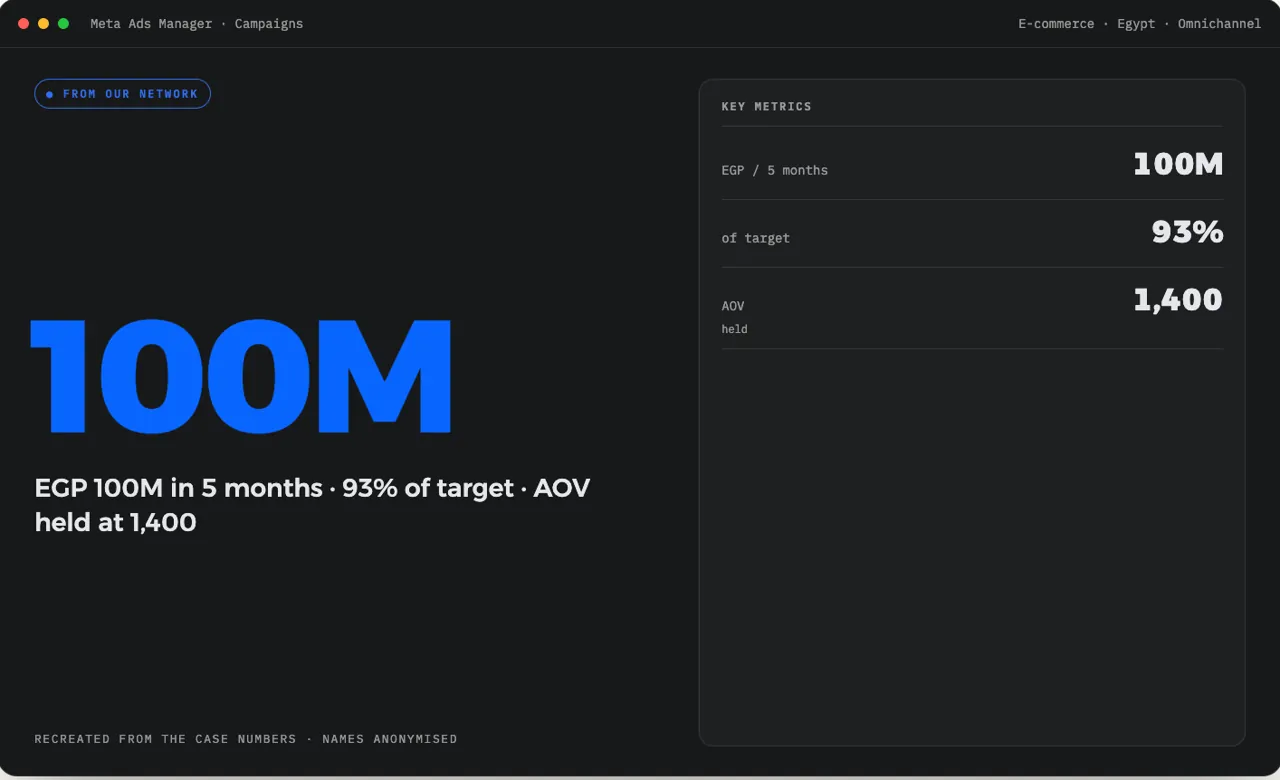
After five months: 93% of target, double what the same period had produced before, with AOV intact and traffic quality unchanged.
We stopped working as a traffic team and started working as a business team. The difference is one question asked of every decision: will this actually grow the business, or will it just make the numbers look good on screen?
The lesson
Business team, not traffic team